Located at the junction of the Mediterranean and Central Europe, Croatia is characterized by a real wealth of natural and cultural diversity concentrated in a small geographical area. Croatia's narrow and indented coast is dominated by the karst massif, behind which stretch gentle green plains interspersed with hills. From the earliest times and Illyrian natives, Hellenistic influences and Roman colonization, today's Republic of Croatia is the heir of the kingdom founded in the 9th century. After turbulent millennia marked by struggles for supremacy between Constantinople, Venice, Vienna and Budapest, it regained its independence in 1991. Blessed with a rich cultural heritage and unique natural beauty, Croatia continues to develop its ancient spiritual and cultural ties with Western Europe, today as a member of the European Union.
History
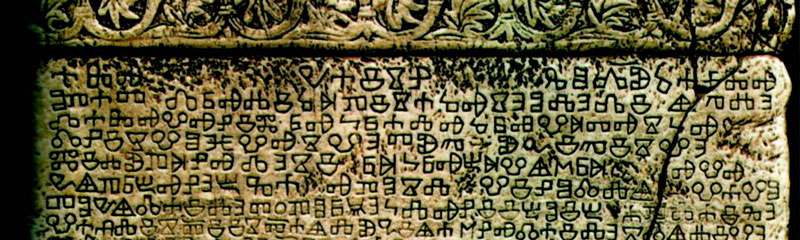
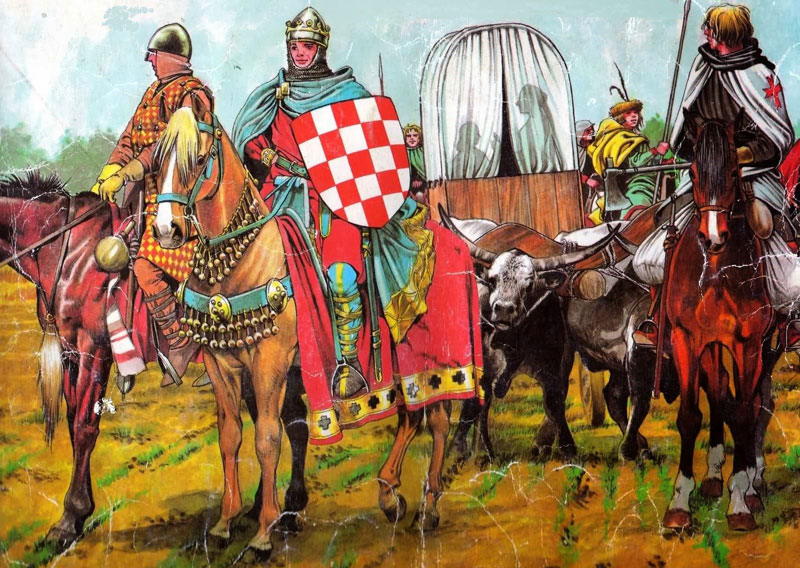
In the 7th century, the Slavic tribe of Croats inhabited the Roman provinces of Dalmatia and Pannonia. Various Croatian rulers controlled the settled territories with occasional takeovers by the Byzantines and Franks. In 925, Croatia became an independent kingdom with the first king Tomislav, and in 1102, after a political coup, Croatia entered into a dynastic union with Hungary. In the middle of the 15th century, the Hungarian kingdom was attacked by the Ottomans. In the Battle of Mohács in 1526, the Hungarian-Croatian army suffered a heavy defeat; one of the consequences of the battle was bringing the Habsburg dynasty to the Croatian throne.
The areas of today's Croatia were part of Austria-Hungary until the end of the First World War. In 1918, Croats, Serbs and Slovenes formed the Kingdom of Yugoslavia. During the Second World War, Yugoslavia was invaded, and the Independent State of Croatia was declared under the control of the Axis powers. After the war, in which Croatian partisans fought on the side of the Allies, Croatia became part of the federal socialist Yugoslavia.
The modern period of Croatian history begins in 1990 with a change in the political and economic system. In 1991, Croatia declared its independence from Yugoslavia, which was followed by four difficult years of the Homeland War in which it had to fight for its freedom. After 1998, when the last occupied area was returned to Croatia, a period of post-war recovery and economic development followed. Croatia received the status of a candidate for the European Union in June 2004, and on July 1, 2013, it finally "returned home" - it became the 28th member state of the European Union.
Natural beauty and heritage
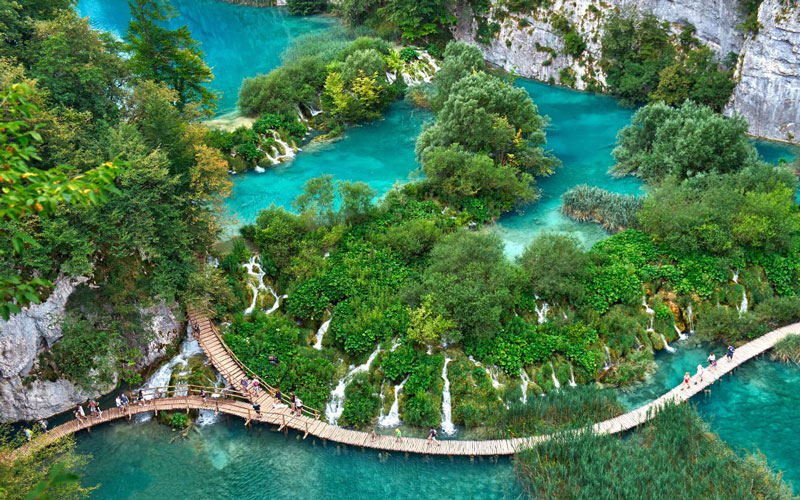
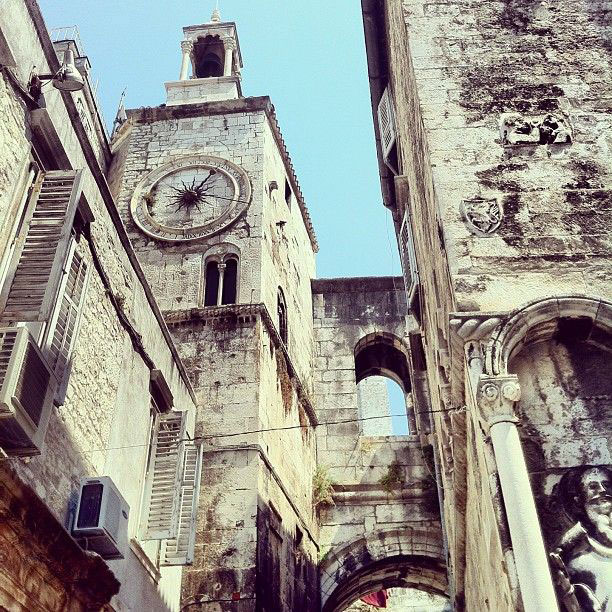
Croatia stands out for its diverse nature on its mainland and a vast archipelago with crystal clear, blue sea. With more than 6,000 km of coastline, a large part of which belongs to islands (as many as 1,246 of them), the Croatian coast is one of the most indented in the world. Therefore, a cruise in Croatia offers the opportunity to discover 8 famous national parks located along the coast or near it. In addition to national parks, Croatia also has 12 nature parks. One of the most valuable Croatian natural resources is water. According to statistical data, Croatia is at the very top of Europe in terms of the availability and richness of drinking water and has the most water supplies per inhabitant in the European Union. Although it is a small country, Croatia has a rich culture and history and can boast of as many as 10 localities and 16 intangible cultural assets inscribed on the UNESCO World Heritage List! Unique works of art in Croatia are not only individual monuments, but entire cities. They bear witness to a long tradition, presenting to visitors masterpieces of architecture and art: from ancient Roman palaces, spectacular Byzantine mosaics, Gothic and Renaissance stone structures, to the baroque of continental Croatia... every Croatian city is a story of accumulated history, ready to amaze even the most demanding visitor.
Gastronomy
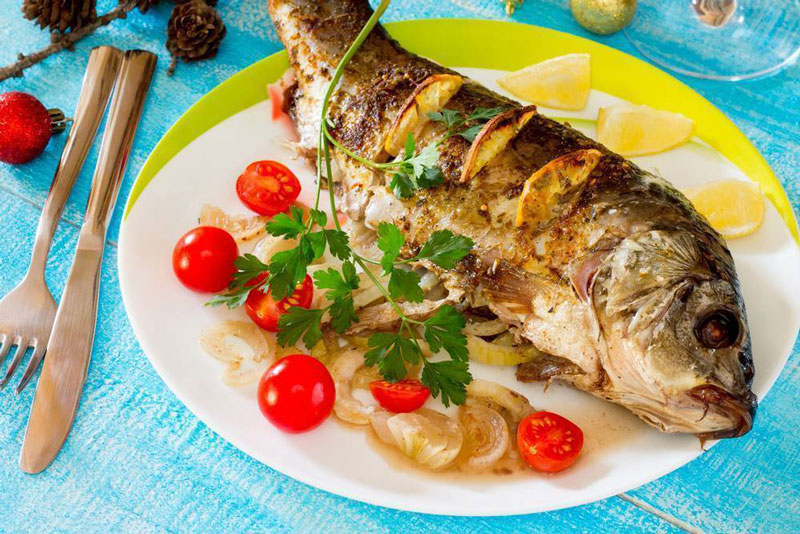
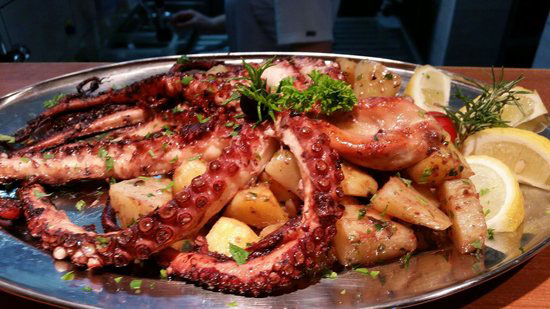
Croatian cuisine is known as the cuisine of the regions, which has been influenced by the culinary traditions of neighboring countries and different peoples who have ruled Croatia throughout history, such as Italian, Austrian, Hungarian and Turkish. Croatian dishes are an original combination of these traditions, rich in unique aromas and flavors. In the last few years, Croatian gastronomy and the quality of its offer have become world famous, especially for ecologically grown food and top quality olive oils and wines. The awards won by olive oils at competitions in recent years have helped Croatia become one of the leading countries producing premium olive oil in Europe - and a few years ago, Croatia was chosen by experts and readers of a famous American lifestyle magazine as one of the top 5 wine regions in the world.
"Made in Croatia"
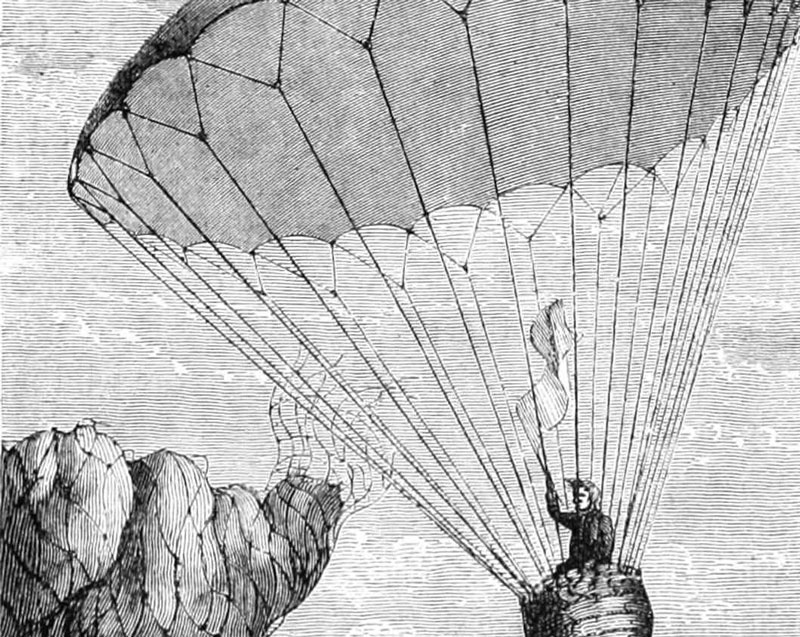
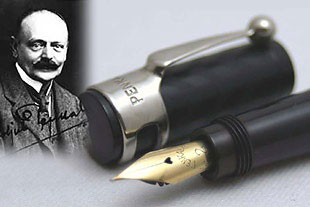
You will surely be surprised how many famous things and inventions were actually created in Croatia or are the result of the work of Croats and people born in Croatia! From the Renaissance to the present day, a number of Croatian inventors have made an invaluable contribution to scientific and technical progress. Croats invented the necktie, parachute, torpedo, fingerprint identification method, dirigible and other things without which life would look different today. Nevertheless, the greatest and most famous Croatian inventor is undoubtedly Nikola Tesla. Born in the Croatian village of Smiljan, he immigrated to the United States in 1884, where he worked with Thomas Edison before opening his own laboratory. In the field of electrical engineering, he filed more than 100 patents, including radar, alternating current electric motor, electric generator and the design of the first radio station. In his honor, in 1956, the unit for magnetic induction was named a tesla.
Sport
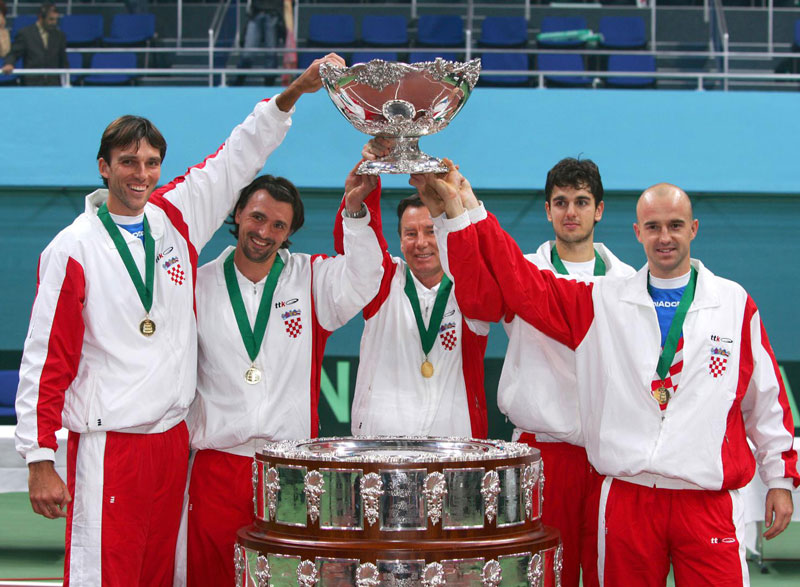
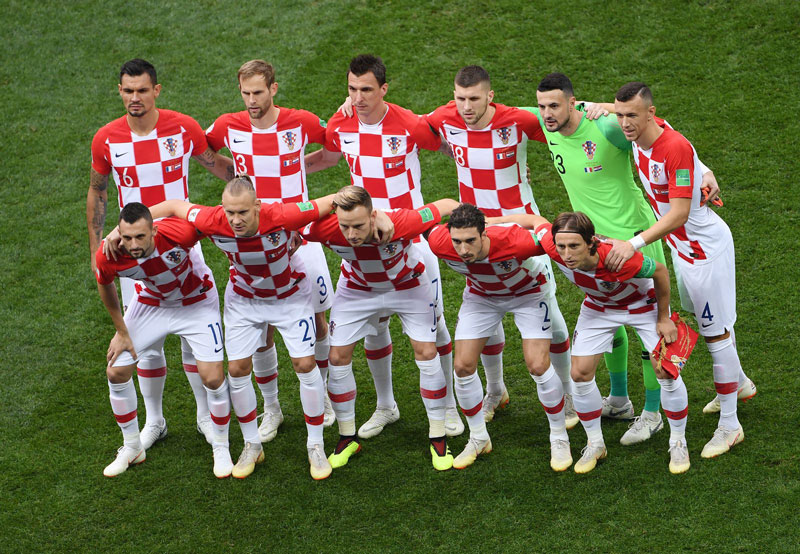
Sport is another sphere in which Croatia achieves exceptional results, which is unusual for a country of its size. Croatia can be proud of its long tradition of sports, and today it is known for its excellent basketball players, tennis players, athletes, teams and competitors in water sports... and of course, for its top football players and the national football team: Vatreni - the Fiery Ones. After third place at the World Cup in France in 1998, Croatia has once again gained many supporters around the world with its games and approach at the World Cup in Russia in 2018 - and speaking of that, it is worth noting that Croatia is the smallest country that, in modern era of football, played the final of the world championship!